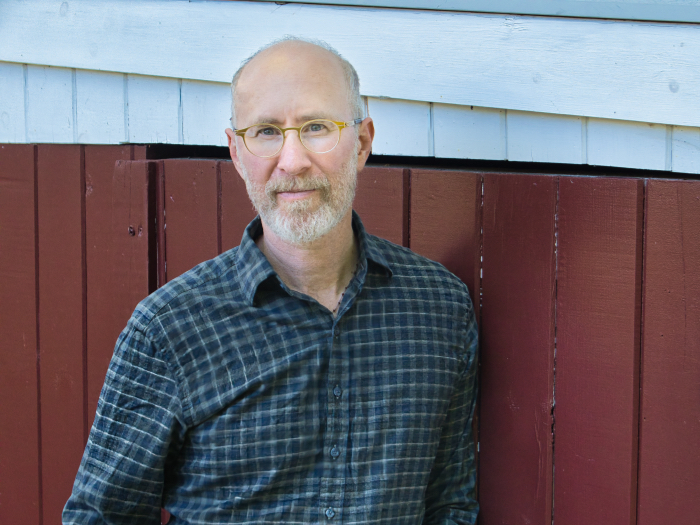
Guideway was created by me, David Wainberg.
I spent most of my career not knowing I was neurodivergent. As a digital privacy attorney working at companies like Apple and The Trade Desk, I was successful by conventional measures. But success came at a cost I didn't fully understand at the time. I brute-forced my way through challenges, both professional and social, that left me confused and exhausted. I persisted, made mistakes, failed, and pushed through again. It worked, but it caused unnecessary pain.
When I learned late in my career that I'm neurodivergent, everything clicked into place. My entire history suddenly made sense. The struggles I'd faced, the workarounds I'd created, the exhaustion I'd felt. All of it had a context I'd been missing.
And I realized: if I had known then what I know now, I could have avoided so much difficulty. I might have made different choices. I might have been happier, more fulfilled, and just as successful.
One of my favorite parts of my legal career was mentoring others. There's something deeply rewarding about passing on knowledge and experience, about seeing someone benefit from lessons you learned the hard way.
Now, in this next chapter of my professional life, I'm combining everything I learned from years in corporate environments with my training as an IACT-certified coach from the AANE. I've developed my own proprietary approach to planning and organization designed specifically for neurodivergent brains.
But more than methods and frameworks, I bring something else: lived experience. I know what it's like to succeed as a neurodivergent person in demanding roles. I understand the translation work required to navigate neurotypical environments. And I now know that you shouldn't have to choose between success and being yourself.
Neurodivergence is a difference, not a disability. My approach is built on helping neurodivergent individuals achieve their own goals on their own terms. I don't push people to mask or override who they are. Instead, I help them understand how their brain works, translate the neurotypical world they're navigating, and make smart choices about how to move through it.
For organizations, I believe neurodiversity is about accommodating different ways of thinking and being in the world, not as a charitable act, but as a strategic imperative. When companies create environments where neurodivergent employees can be comfortable and contribute their best, everyone wins.
The barriers to neurodivergent success aren't just internal, they're systemic. Internal and external ableism limits what's possible. Discrimination against neurodivergence is endemic in our workplaces, and it needs to shift. Not only because it's morally right, but because we're sacrificing the productivity and innovation of possibly a quarter of the workforce. We can do better. And I'm here to help.